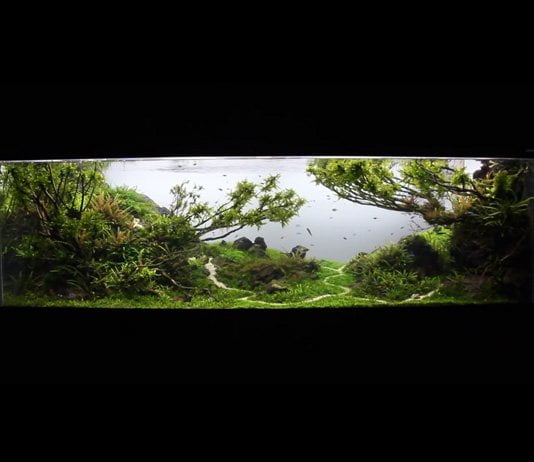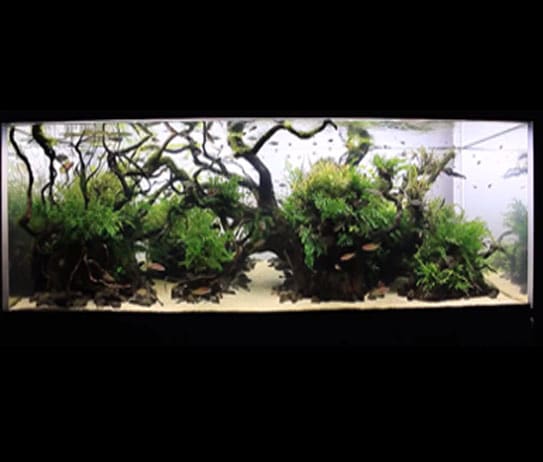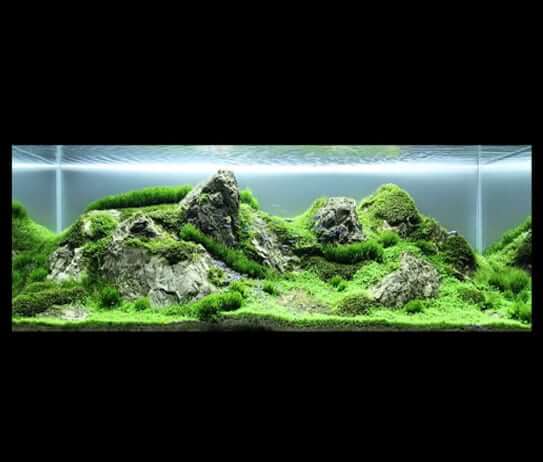
Creating a beautiful aquarium depends on the imagination of each artist. But the following ways will help beginners easily create beautiful aquariums according to their ideas. Here we invite you to learn about the basic technical requirements to create your own workshttps://aquaplantshub.com/.
Steps to set up a mini aquarium
Step 1. Choose size and location for the pond
You should choose a moderate size suitable for the location where you plan to place the pond. Choose the tank size based on the individuals you need to set up in it. One of the biggest advantages of a mini aquarium is that it can fit in many different locations and is not constrained by placement like large aquariums.
Due to the weight of water and decorations inside the tank, you need to keep it on a sturdy table or cabinet because the tank will be very heavy at this time. Avoid placing the tank in places where direct sunlight shines on the tank.
It is recommended that you choose square tanks, also known as cubic tanks sized 20×20 or rectangular tanks sized 18x13x15 (length x width x height) to set up a mini tank.
Step 2. Choose the design layout of the lake
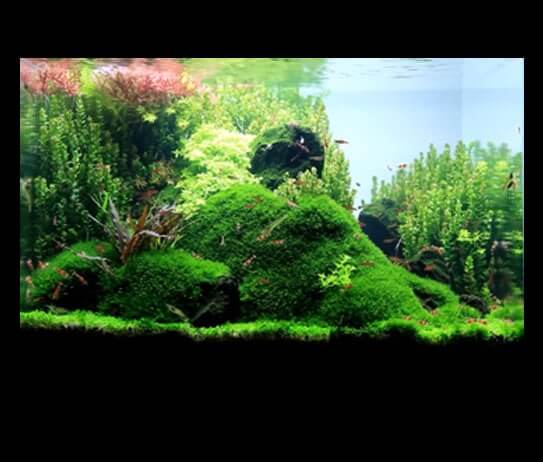
Depending on the size and personal preferences, the way to choose the layout is also different. However, new players often refer to available designs online and follow them. From there we gain more experience and begin to create according to each individual’s preferences.
Step 3. Choose a background for the lake
Depending on each design style, you need to choose a suitable background for the aquarium. For example, if designed according to a biotope layout, the substrate can be sand, gravel, soil… But for aquarium design styles with many plants, moss, etc., you need to choose a nutrient-rich substrate to help aquatic plants grow.
Step 4. Choose background, foreground and mid-ground aquatic plants
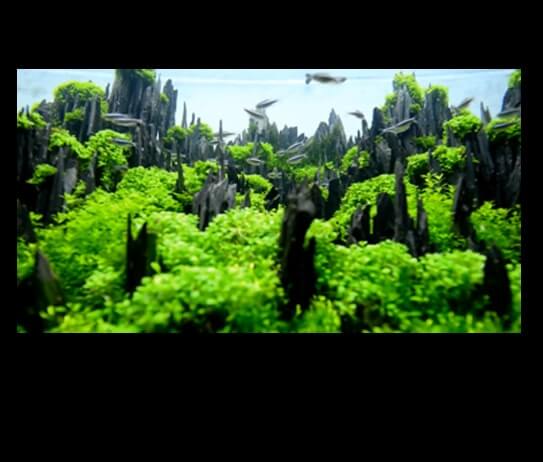
In the aquarium layout, the star side must be higher and deeper than the front. This is the principle that helps viewers feel the space in the aquarium. Because of that, you need to pay attention to choosing aquatic plants, gravel, sand, rocks and driftwood combined together.
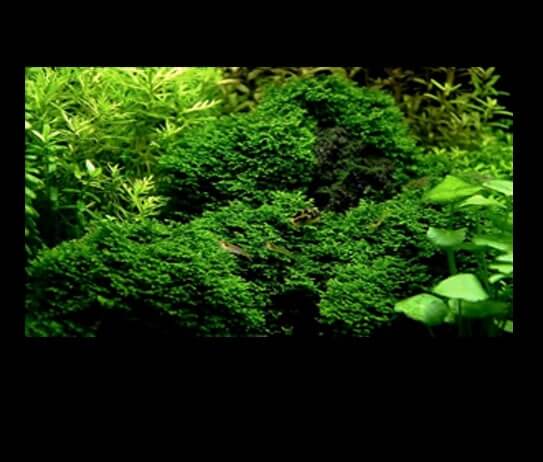
+ Foreground: use aquatic mosses such as: Riccia fluitans (snake hornbeam), Glossostigma elatinoides (Japanese pearl).
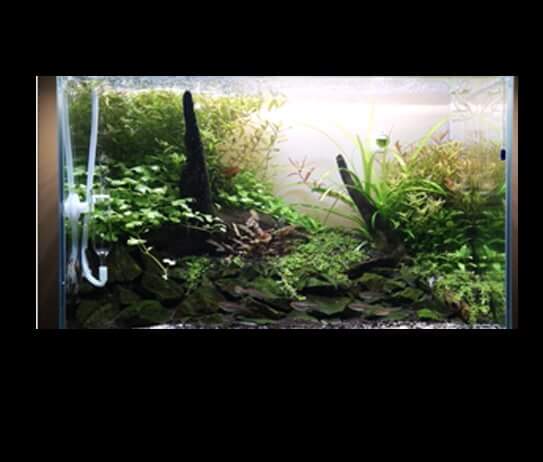
+ Middle scene: you can grow some cut plants such as snail scales.
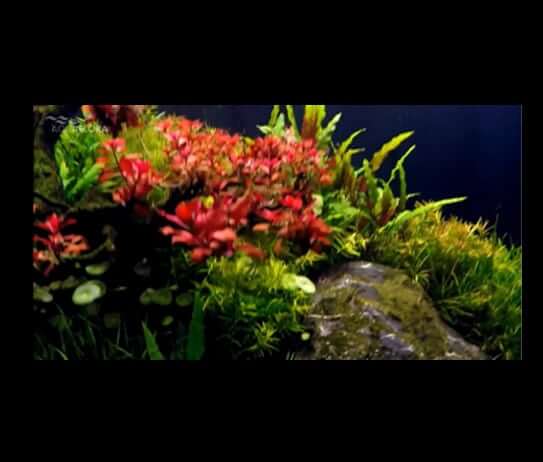
+ Background: if you set up the aquarium in a natural, Dutch or Iwagumi format. In the background, stones can be used in combination with soil to create a height for planting aquatic plants. Some types of plants such as pink euphorbia, chrysanthemum, water orchid… are quite suitable for background positions in aquariums.
Step 5. Accessories make the tank more lively
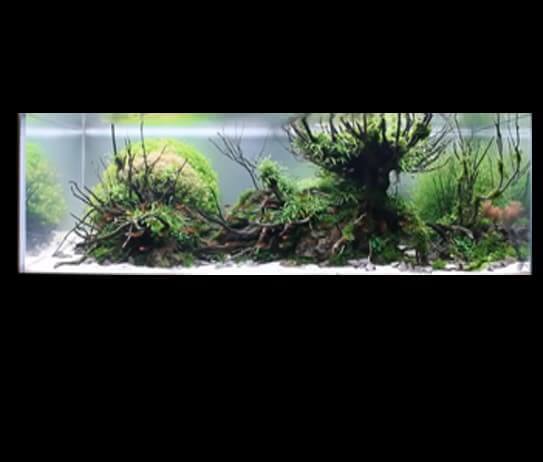
You should use similar rocks, driftwood, gravel and aquatic plant colors. It will help your tank layout look much more attractive. Rocks and trees create caves to add to the natural beauty of the lake.
[email protected]