Species guide
Amano Shrimp: Care Guide (Algae Crew, Molting & Tank Setup)
Invertebrate
Amano shrimp (Caridina multidentata) are larger algae-eating workhorses for planted tanks. They graze film algae and soft green tufts but need secure lids, stable minerals, and copper-free maintenance.

- Algae eater
- Larger shrimp
- Copper-sensitive
- Jump risk
Quick facts
| Temp | 20–26 °C (68–79 °F) |
|---|---|
| pH | 6.5–7.5 (stable freshwater) |
| GH/KH | GH 6–12 dGH, KH 2–6 dKH |
| Diet | Biofilm, algae, blanched veggies, occasional protein |
| Tank size | Minimum 40 L (10 gal); 1 amano per ~20 L for algae duty |
| Temperament | Peaceful; may outcompete cherries at food pile |
| Difficulty | Beginner (hardy once cycled) |
Overview
Amano shrimp were popularized by Takashi Amano for controlling algae in iwagumi layouts. Transparent bodies with dotted lines, they grow to 5–6 cm and work harder on soft algae than cherry shrimp. They cannot replace good light balance — but they reduce maintenance on glass and hardscape.
Unlike Neocaridina, amanos do not breed in pure freshwater. Larvae need brackish/salt water, so home tanks rarely see shrimplets. Buy replacements rather than expecting colonies. Molting and copper rules match other shrimp: stable GH and zero copper meds.
They jump when startled — fit a tight lid and sponge intake guards. For a dedicated shrimp nano see Budget 50 shrimp setup. New tanks must finish cycling — check ammonia spike and new tank syndrome before stocking.
Care steps
-
Step 1
Add only to cycled planted tanks
Wait for zero ammonia/nitrite and visible biofilm on wood and glass. Amanos starve in sterile new tanks even if water tests pass.
-
Step 2
Secure the tank (jumpers)
Close gaps in lid around filter pipes. Amanos climb glass at night and can dry out on the floor.
-
Step 3
Let them graze; supplement lightly
Primary food is biofilm and soft algae. Offer blanched zucchini or shrimp pellets once or twice weekly if algae is thin.
-
Step 4
Maintain minerals for molting
Keep GH 6–12. Failed molts show as shrimp stuck half-out of shell. Remineralize RO water consistently — do not swing TDS weekly.
-
Step 5
Breeding expectations (brief)
Berried females appear in freshwater but larvae die without salt transfer protocol. Treat amanos as algae crew you restock, not self-sustaining breeders like cherries.
Common problems
Amano found dead on floor
Why: Jumped during water change, lights-off climb, or filter pipe gap.
Fix: Install lid mesh; lower water level during maintenance; sponge wrap intakes.
Not eating algae / picking at plants
Why: Tank too clean, starving shrimp, or confusing damaged soft leaves for food.
Fix: Allow biofilm to build; feed lightly; verify plant melt is not mistaken for edible algae.
Failed molt (white ring or stuck shell)
Why: GH too low, rapid TDS change, or copper trace from fertilizer/meds.
Fix: Test GH; remineralize; audit all products for copper. Small frequent water changes only.
Shrimp dying after medication
Why: Copper-based ich or parasite treatments lethal to invertebrates.
Fix: Never dose copper in shrimp tanks; move fish to hospital tank for treatment.
Good tank mates & companions
- Cherry shrimp — compatible; amanos ignore cherries but grab food faster at feeding time.
- Neon tetras & nano fish — safe for adult amanos; fish rarely eat full-grown amanos.
- Otocinclus & snails — shared algae niche; ensure enough biofilm for all.
- Companion plants: Java moss, Anubias nana — surfaces for grazing between algae passes.
- Avoid: large cichlids, goldfish, crayfish, and aggressive loaches.
Gear for this species
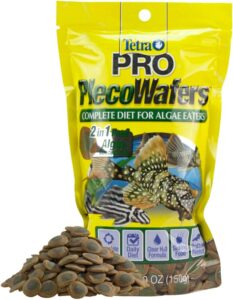
Hikari Shrimp Cuisine Sinking Pellets for Freshwater Shrimp
Thức ăn sinking cho tôm Neocaridina/Caridina — khoáng và vitamin.
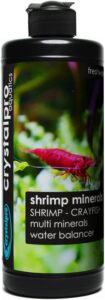
Crystalpro Shrimp Minerals 16.9 Oz – Liquid Aquarium Salt & Trace Elements for Freshwater Shrimp Tanks – Supports Caridina & Neocaridina – Molting & Breeding Additive – Invertebrate Tank Conditioner
Nutrafin Fluval shrimp mineral is a powerful support product for ornamental shrimp species, imported from Canada and distributed at Sen Aquatic. This product is among the Top Best Sellers in the Sen Store system, trusted and highly rated by users for its quality and price. Benefits of Nutrafin Fluval shrimp mineral: Provides essential minerals and stabilizes pH for the shrimp breeding ecosystem. Eliminates issues of thin shells and pale coloration. Helps ornamental shrimp grow strong, with a shiny and vibrant protective layer. Reduces the occurrence of shrimp having difficulty molting and dying sporadically.
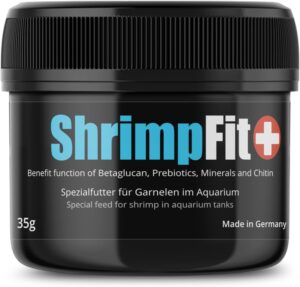
Budget 50 shrimp setup — Sponge filter, minerals, moss, and lid-friendly nano gear
FAQ
How many amano shrimp per gallon?
Roughly one amano per 20 L (5 gal) for algae control in planted tanks. Overstocking competes with cherries for food.
Do amano shrimp breed in freshwater?
Eggs hatch in freshwater but larvae require brackish water to survive. Home breeders rarely succeed without a salt larval stage.
Will amano shrimp eat black beard algae?
They prefer soft film and green algae. BBA usually needs manual removal plus lighting/CO₂ balance — do not rely on amanos alone.
Why do amano shrimp molt so often?
Growth and mineral uptake — healthy amanos molt regularly. Leave shells for optional mineral reuse.
Can amano shrimp live with cherry shrimp?
Yes — different genus, no crossbreeding. Feed enough so cherries are not bullied at food piles.
Do amano shrimp need a heater?
Stable 20–26 °C is fine. Avoid rapid temperature drops during water changes.
Aqua Plants Hub Editorial