Houseplant species guide
Snake Plant (Sansevieria / Dracaena trifasciata) Care Guide
Indoor plant
Snake plant (Dracaena trifasciata, still sold as Sansevieria) survives neglect. It does not survive weekly watering in peat. Treat it like a succulent that happens to look like a spear.
- Low-water
- Low–medium light
- Toxic if chewed
- Beginner
Quick facts
| Scientific name | Dracaena trifasciata (syn. Sansevieria trifasciata) |
|---|---|
| Light | Low to bright indirect; some direct sun OK |
| Water | When the pot is light / mix bone-dry; often 3–6 weeks |
| Soil | Cactus/succulent or very gritty mix |
| Pot | Terracotta with a hole; snug is fine |
| Toxicity | Mildly toxic if ingested |
| Growth | Slow; rhizomes can crack cheap plastic |
| Difficulty | Beginner — if you under-water on purpose |
Overview
The #1 killer is a “helpful” weekly pour. Rhizomes sit wet, leaves wrinkle then go yellow and mushy at the soil line. That is not underwatering.
Compare with ZZ plant (same dry-down habit) and contrast with thirstier peace lily. Choosing a first plant? Start here. Setup BOM: under $50. If leaves yellow, read yellow leaves and overwater vs underwater.
Care steps
-
Step 1
Gritty mix + terracotta
Cactus mix + extra perlite. Plastic + peat is a rot chamber. A snug pot is better than a huge wet volume.
-
Step 2
Water only when the pot feels light
Lift it. If it still has weight, wait. Then soak thoroughly and drain. Winter may be monthly or less.
-
Step 3
Light is optional-ish, not zero
It survives a hallway; it grows in bright indirect. Stretching and floppy leaves mean it wants more light, not more water.
-
Step 4
Wipe dust; don’t mist
Dust on tall leaves cuts light. Misting does nothing useful and can spot the foliage.
-
Step 5
Divide rhizomes when the pot cracks
Spring. Cut with a clean knife, let cuts callus a day, pot into dry gritty mix, wait a week to water.
Common problems
Mushy yellow leaves at the base
Why: Classic overwater / peat.
Fix: Unpot; discard mushy rhizomes; fresh gritty mix; wait to water. See overwatering guide.
Wrinkled, thin leaves but dry soil
Why: Actual underwater + very bright/hot window.
Fix: Soak once, then return to a longer cycle. Don’t swing to weekly watering.
Brown crispy tips
Why: Fluoride/salts or chronic drought.
Fix: Use filtered water if your tap is harsh; flush occasionally.
No new growth for a year
Why: Low light + never fertilized + root-bound.
Fix: Brighter spot; feed lightly in summer; divide if the pot is a solid rhizome cake.
Companions & placement
- ZZ plant: same dry-down logic. ZZ care.
- Not with peace lily in one watering routine: peace lily wilts when dry; snake rots on that schedule. Peace lily.
- Low-light shelf: snake/ZZ/aglaonema beat pothos/monstera there.
- Pets: still toxic if chewed — not a “safe” floor plant for puppies.
Gear for this species
Beginner indoor plants under $50 — Terracotta + cactus mix + meter — the whole “unkillable” kit
FAQ
How often do I water a snake plant?
When the pot is light and the mix is dry deep down — often every 3–6 weeks. Weekly watering is the usual failure.
Can snake plants live in low light?
Yes, they survive. Growth will be slow. They still need a dry cycle; low light + wet soil is the worst combo.
Why is my snake plant leaning?
Low light or a waterlogged rhizome. Check the base for mush before you stake it.
Is snake plant toxic to cats?
Yes, mildly. Keep curious chewers away.
Snake plant vs ZZ?
Both like it dry. Snake is upright spears; ZZ is glossy pinnate leaves from fat rhizomes. Care is almost the same.
Do snake plants bloom indoors?
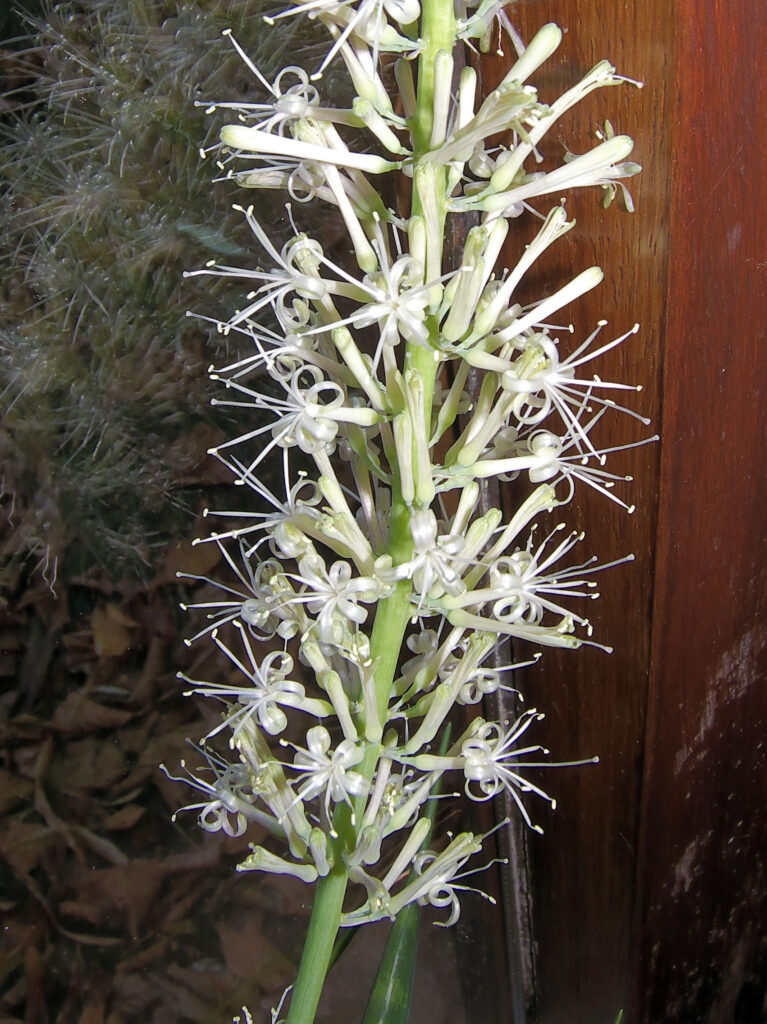
Rarely. Fragrant night blooms happen on very happy, bright plants — not a care goal.
Aqua Plants Hub Editorial