Khắc phục sự cố
Rêu nâu diatom bể mới — mốc thời gian + xử lý
Brown dust on glass, sand, and hardscape in month one is usually diatoms. They often fade as the tank matures. Bleaching and endless antibiotics are the wrong move.
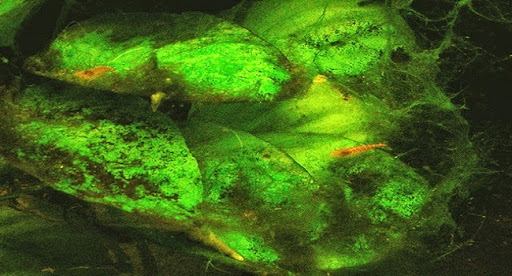
- Brown diatoms
- New tank
- Silicates
- Don’t bleach
What you’re seeing
Brown powdery coating on glass, sand, and decor—especially in tanks under ~6 weeks. Wipes off easier than BBA; looks dusty, not wiry.
Nguyên nhân có thể (xếp hạng)
New tank succession
Silicates and open niches favor diatoms early.
Kiểm tra nhanh: Age <6 weeks.
Silicate-rich water/substrate
Some sands/RO remineralization paths.
Kiểm tra nhanh: Tap/RO tests show silicates; new sand.
Low plant competition
Empty hardscape + light.
Kiểm tra nhanh: Few plants, long lights.
Overfeeding during cycle
Extra organics.
Kiểm tra nhanh: Cloudy water + leftover food.
Fix order
-
Step 1
Don’t panic-dose
Skip copper/antibiotics for normal diatom dust.
-
Step 2
Manual wipe + siphon
Clean glass; gentle gravel vac of brown sand film.
-
Step 3
Plant and shorten light
Add easy plants; 6–7h photoperiod.
-
Step 4
Wait out the window
Most blooms ease by weeks 4–8 as biology settles. Oto/nerite help later—not day one of an uncycled tank.
Khi nào cần nâng cấp xử lý
- Brown slime that smells foul and sheets off in mats → consider cyano protocol, not diatoms.
- Past 3 months still thick → check silicates and light hours.
Sản phẩm hữu ích
Bài liên quan
- Hub kiểm soát rêu hại — Hub cha
- Hub hệ thống CO₂ — CO₂
- Máy tính mật độ cá — Mật độ
- Hub máy tính — Tools
Câu hỏi thường gặp
Will diatoms kill fish?
Normal dust blooms are cosmetic. Crash-level ammonia is the real risk—test cycle.
Add otocinclus now?
Only after the tank is cycled and stable.
Change all the sand?
Almost never—clean and wait.
Aqua Plants Hub Editorial